

Bookshelf
People need to read more books. It‘s the only sane way to understand yourself.
Currently Reading
Madonna In A Fur Coat — Sabahattin Ali
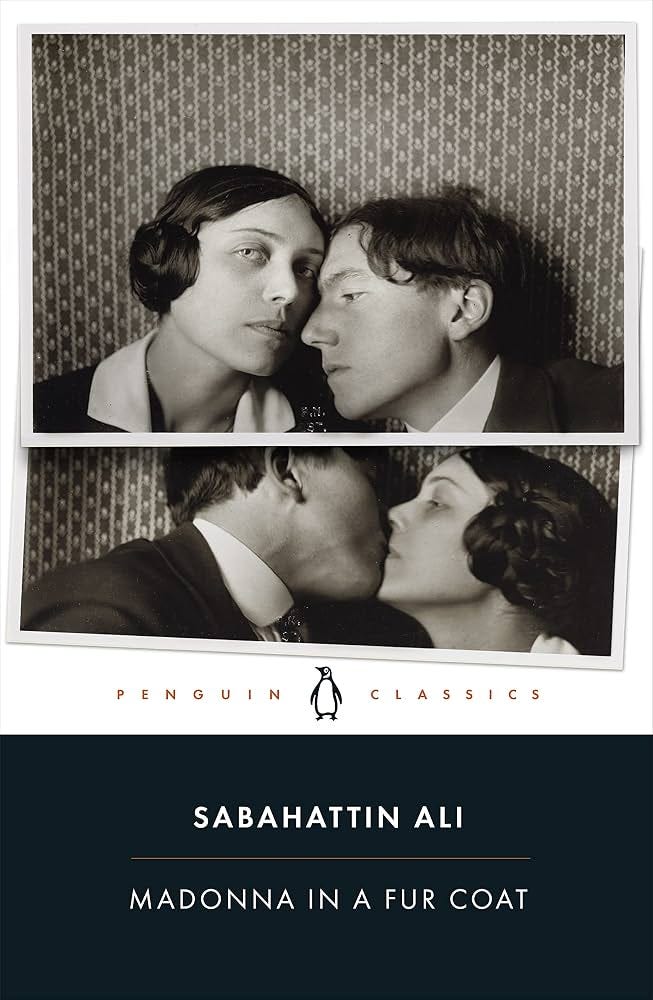
update: 8/8/26
This has been on the TDR for over a year now.
18 pages in and I already don’t trust the quiet ones (ironic!)
All I can say now is that it gives the same feeling you get being introduced to a person everyone else in the room seems to have silently agreed is ‘not worthy of your time’ – and someone then hands you, more or less on the sly, the key to the room they never bothered stepping foot in.
I’m in no position to espouse sweeping theories about the author, the characters, the entire damn book for which I just had zero patience initially. And yet, because I possess a crippling urge to dissect and analyze, I’ve devised three separate ones.
Don’t have a clue where in the heck Sabahattin Ali wants me to go, but I plan on going.
Internet Is Weird
The Anthropocene Reviewed — John Green
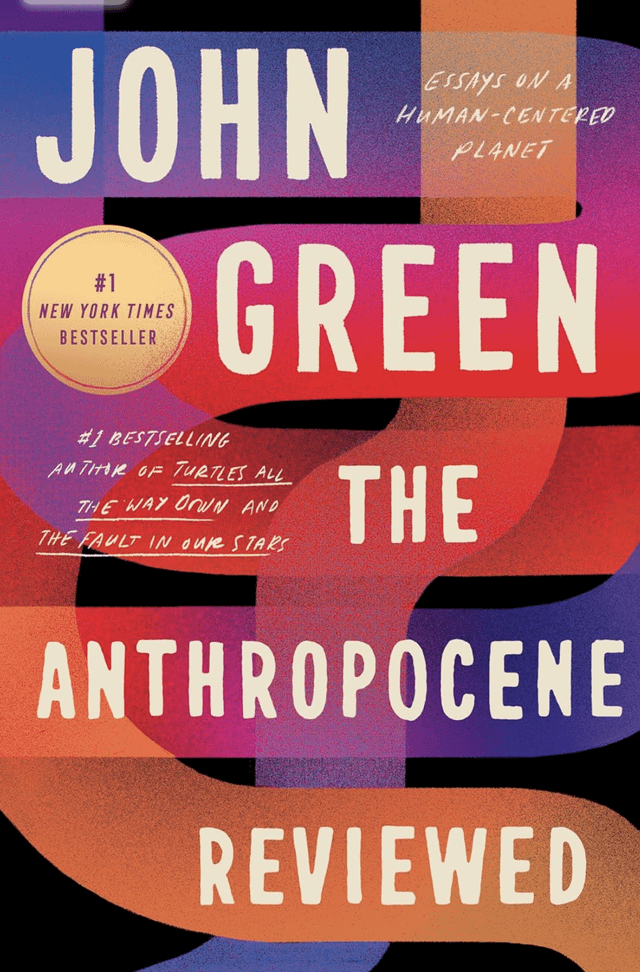
Some books make ordinary things look newly strange.
Green takes objects, habits, places and experiences we’ve become so accustomed to that we barely notice them anymore, then gives them enough attention to reveal the stories hiding underneath. Nothing needs to be grand or historically important to deserve a closer look. Sometimes a piece of toast, a public library or some painfully ordinary human habit can open the door to a much bigger conversation about memory, loneliness, culture and being alive.
The real delight here is that the book makes paying attention feel like a form of intelligence.
The Shallows — Nicholas Carr
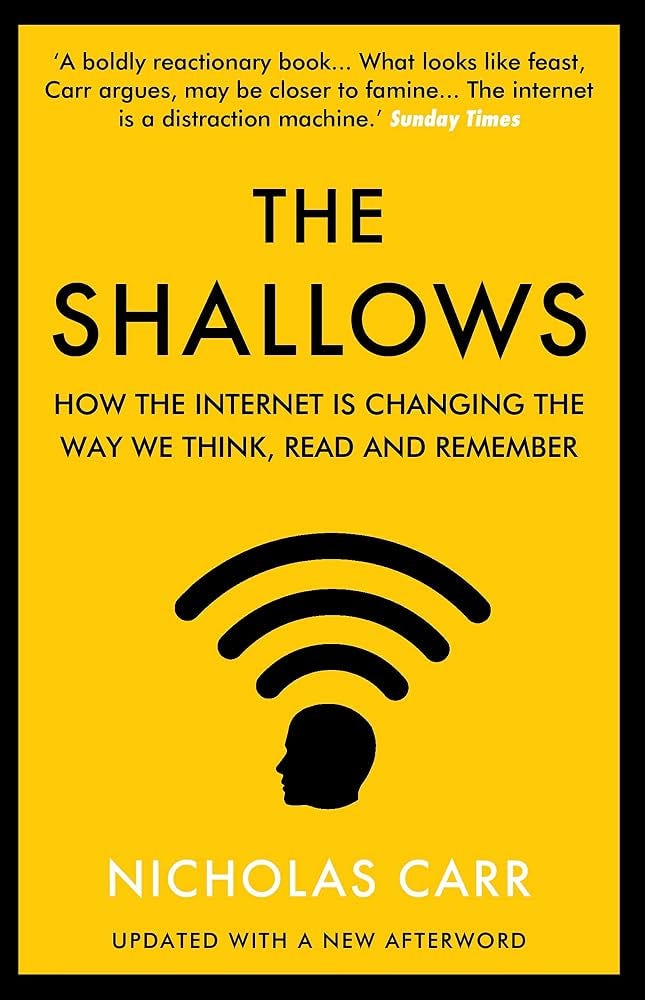
One of the books that genuinely shaped the way I think about the internet, attention and the human psyche.
Carr gave language to a suspicion that’s difficult to shake once you’ve noticed it: the environment we spend our lives inside eventually starts shaping the person living in it. The argument isn’t simply that technology distracts us. It’s that repeated patterns of reading, searching, clicking and consuming may alter the very habits of thought we bring to everything else.
A lot of the questions I keep circling in my essays — attention, distraction, digital life, the internet’s effect on how we think — lead me back here.
Because Internet — Gretchen McCulloch
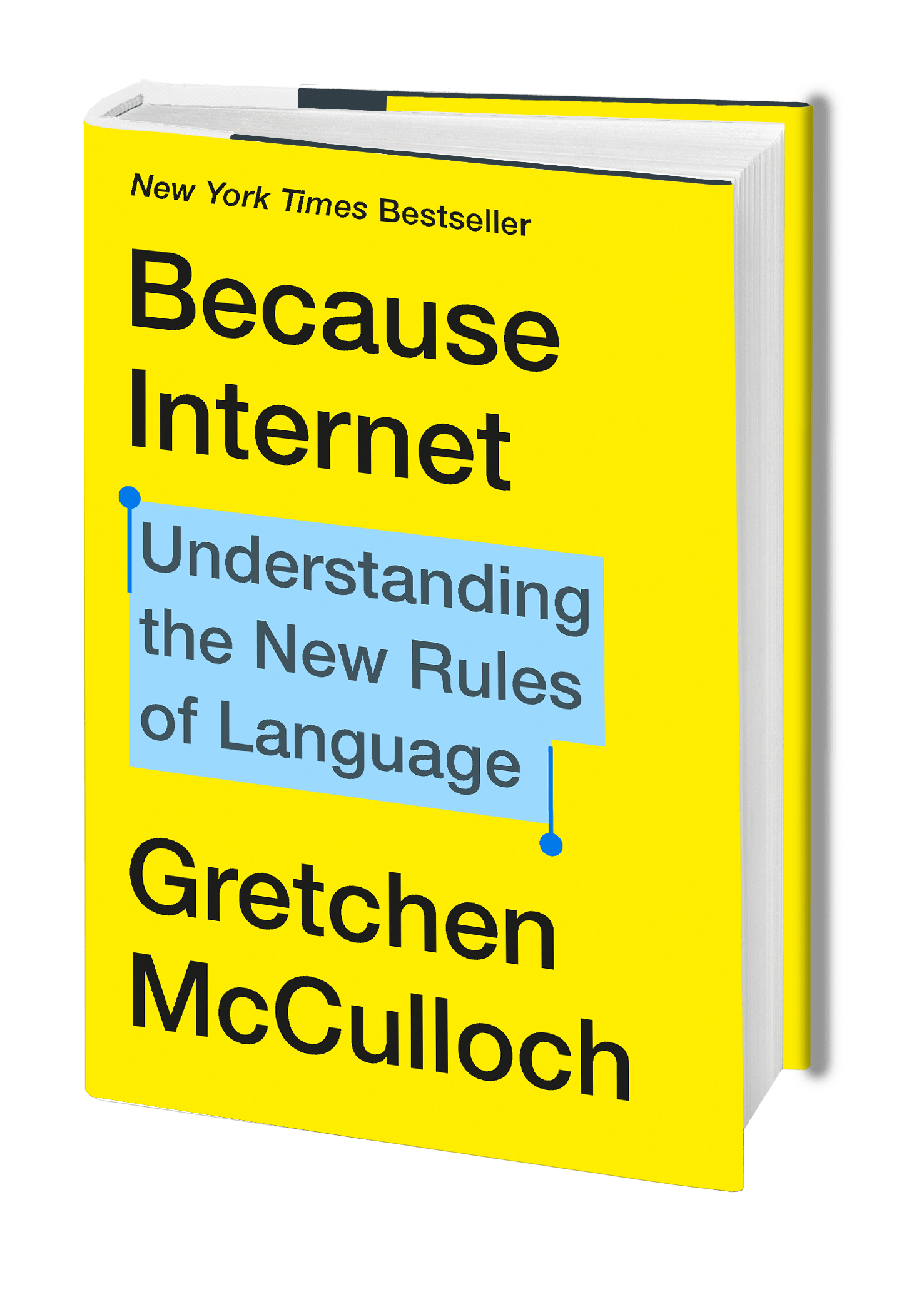
The internet didn’t kill language. It gave language another playground.
McCulloch takes the tiny things we do online — punctuation, emojis, memes, abbreviations, tone, typing habits — and asks why they suddenly carry so much emotional information. A full stop can feel passive-aggressive. Lowercase can feel intimate. An extra “haha” can be the difference between affection and emotional warfare.
What looks like internet nonsense starts revealing itself as an evolving social language.
Basically, the group chat deserves linguistic analysis.
The Filter Bubble — Eli Pariser
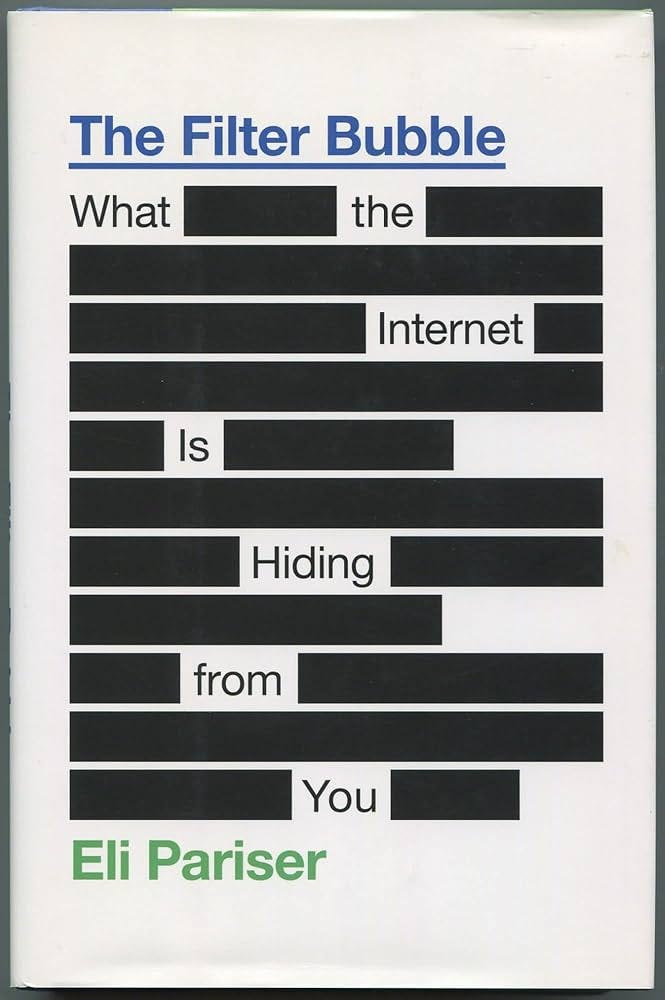
A more unsettling every time the internet changes its mind about what it wants us to see.
Pariser examines what happens when algorithms quietly personalize our information until two people can inhabit completely different versions of the same world. The disturbing part isn’t merely that we’re shown things we like.
It’s everything we never realize we’ve been not shown.
Irresistible — Adam Alter
Ever opened an app without knowing why you opened it and then resurfaced twenty minutes later with absolutely no recollection of what happened?
Exactly.
Alter digs into behavioral addiction and the design of products that keep us returning long after the original reason for opening them has disappeared. It’s an accessible read, but the ideas become considerably less theoretical when you recognize yourself halfway through a chapter.
The phone isn’t possessed.
It just knows what button to press.
The Second Machine Age — Erik Brynjolfsson & Andrew McAfee
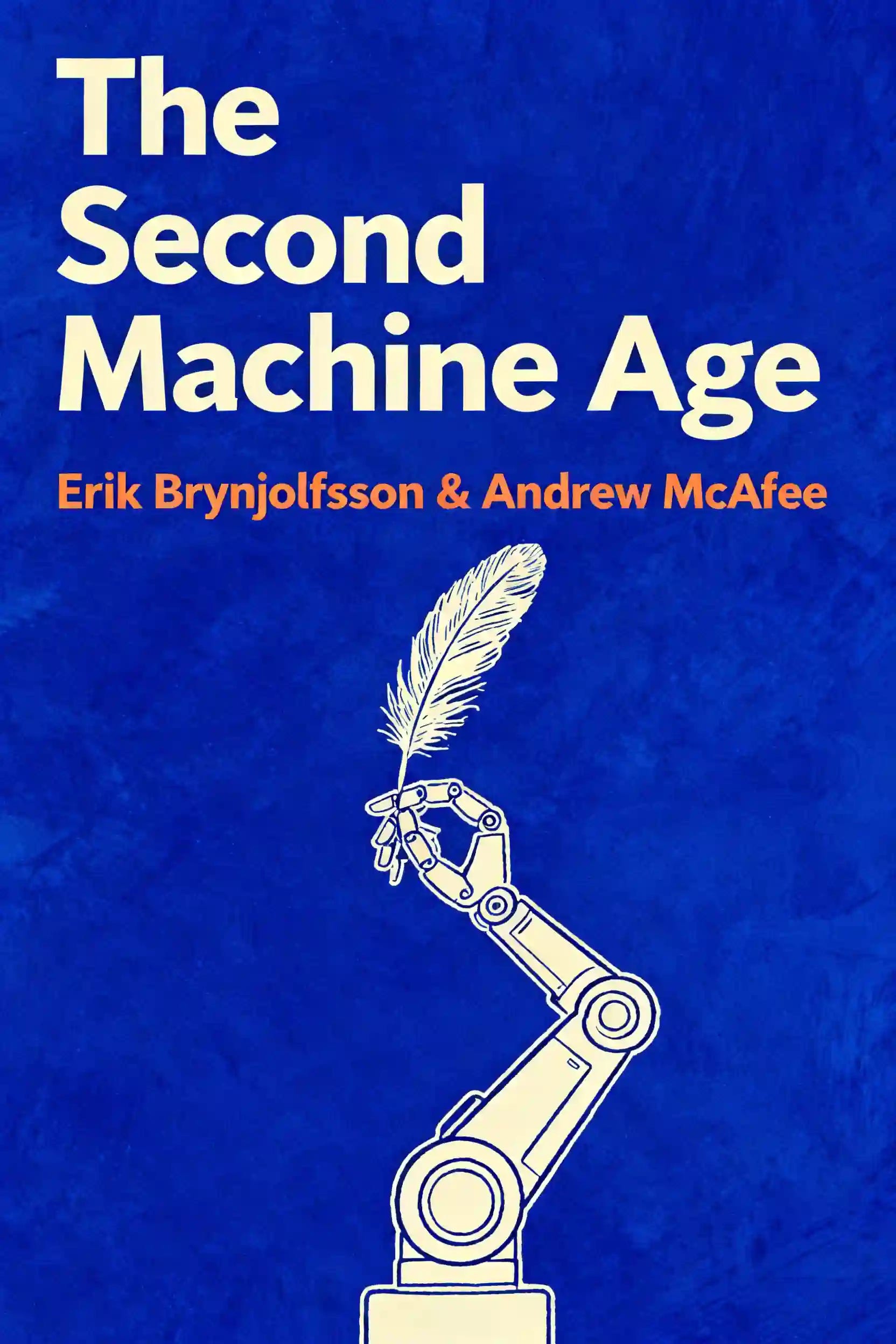
Humans, institutions and labor markets? Not so much.
That tension is what makes this book useful. It looks beyond the shiny “technology will change everything” narrative and considers what technological disruption actually means for work, economics and society.
The interesting question isn’t whether machines are getting smarter.
It’s whether we’re getting smarter about what happens next.
The Chaos Machine — Max Fisher
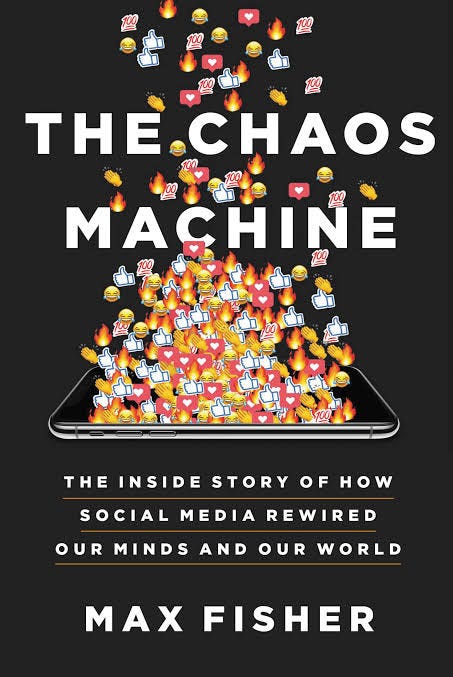
The uncomfortable thing about social media isn’t that algorithms are evil. It’s that they’re extraordinarily good at discovering what keeps us emotionally invested.
Fisher examines the relationship between social platforms, algorithms, polarization and human behavior, and the result is a fairly grim reminder that outrage isn’t some accidental bug in the system. Human beings brought plenty of combustible material to the machine.
Blaming “the algorithm” is considerably easier than asking what it learned about us.
Stolen Focus — Johann Hari
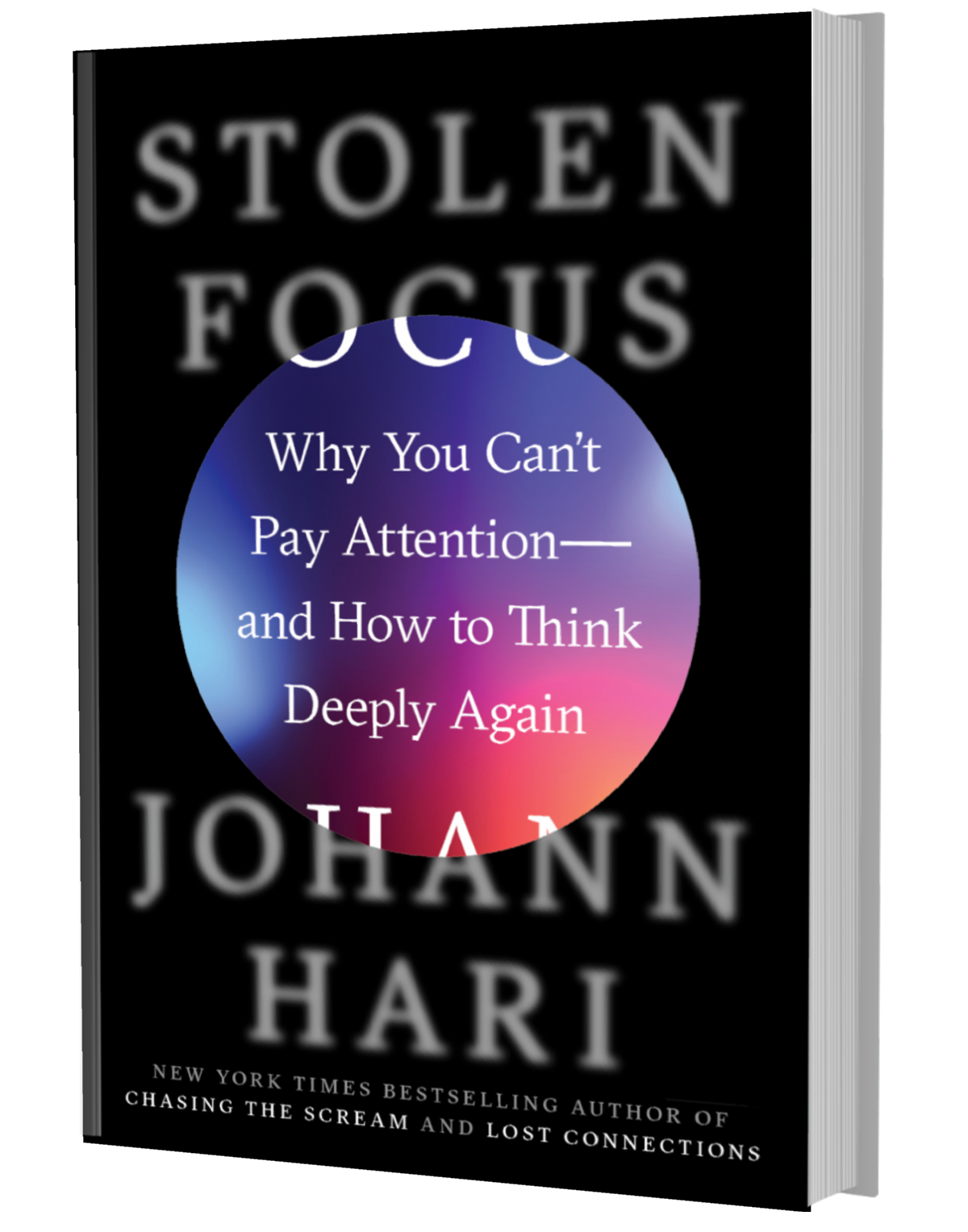
Ever wonder why concentrating on one thing now feels like an Olympic sport?
Hari looks beyond the usual “put your phone away” argument and asks what else is competing for our attention — work, technology, stress, environments, expectations and the broader conditions we’ve built around ourselves.
The useful part is the shift in perspective: difficulty concentrating isn’t automatically a personal failure. Sometimes the room is simply designed to distract you.
The Burnout Society — Byung-Chul Han
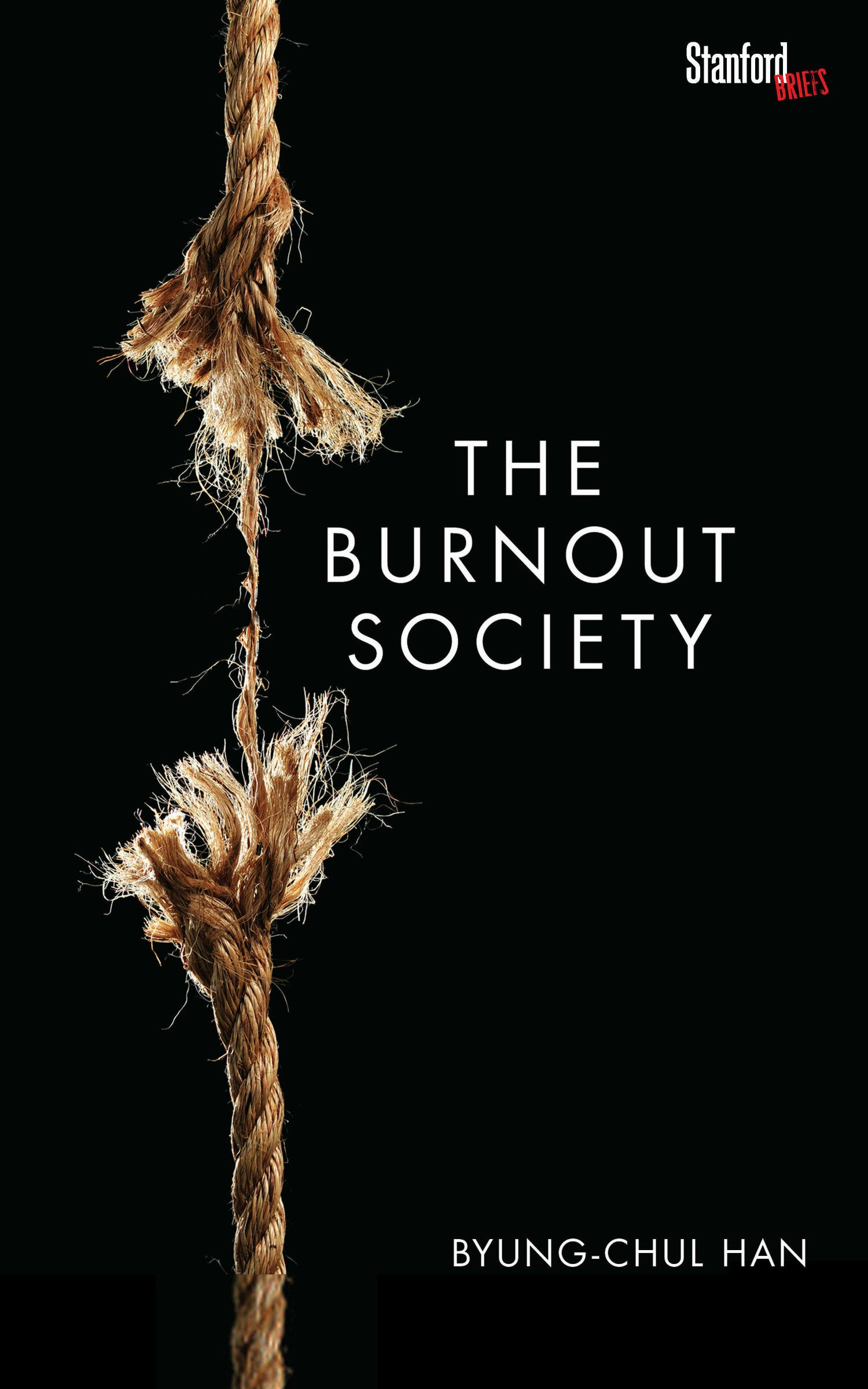
Short. Dense. Slightly brutal.
Han examines a society where people increasingly exploit themselves in the name of achievement, optimization and freedom. The particularly uncomfortable part is how easily exhaustion starts masquerading as ambition.
At what point does working hard become performing your own usefulness?
Not exactly a beach read, but a very good book for staring at the ceiling afterwards.
The Age of Surveillance Capitalism — Shoshana Zuboff
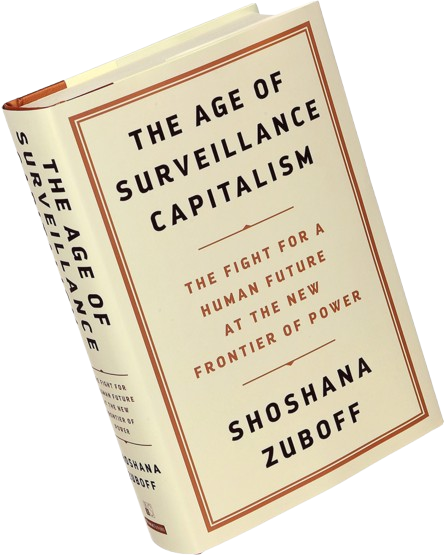
A long, demanding book, but one that fundamentally changes the way you look at the supposedly “free” internet.
Zuboff’s argument about behavioral data, prediction and the economics built around knowing what people are likely to do is uncomfortable precisely because so much of it has become ordinary. We search, scroll, click, pause, buy and move on with our day while an enormous amount of information about those behaviors quietly accumulates somewhere else.
The unsettling question isn’t simply “Who’s watching?”
It’s “What can be predicted about me because I’ve been watched?”
Yesteryear — Caro Claire Burke
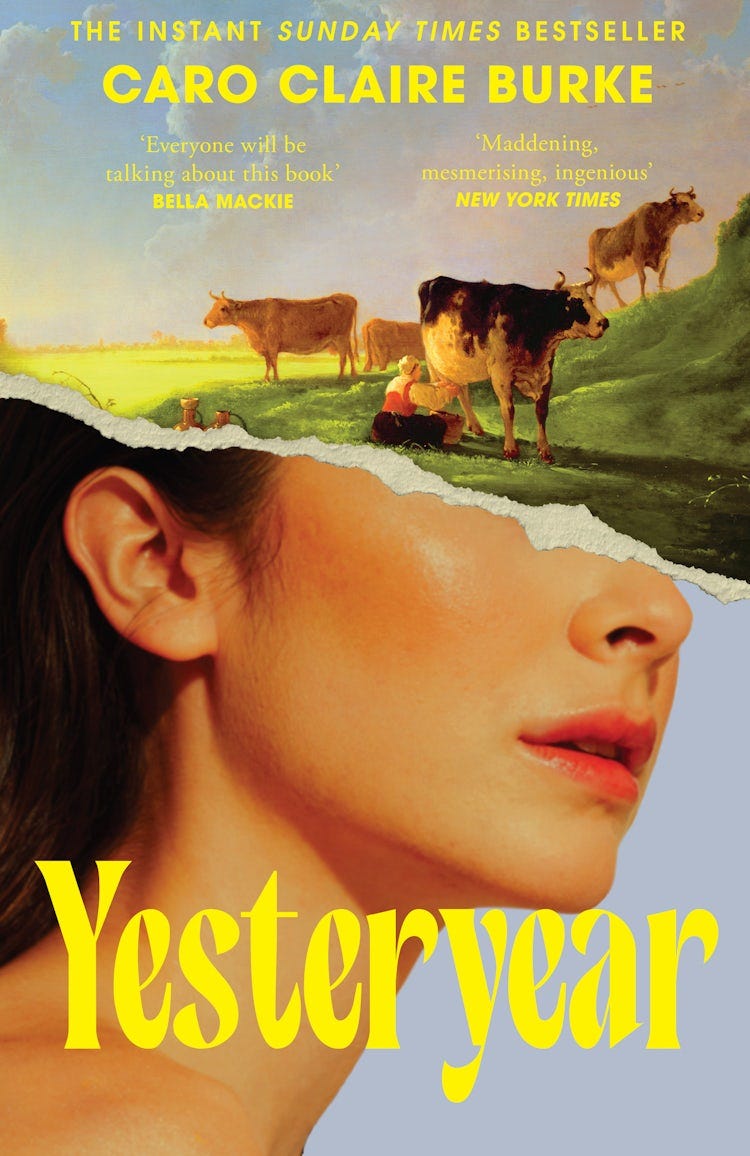
Nostalgia is adorable until somebody actually has to live in it.
The premise alone is deliciously ironic: a modern influencer obsessed with an idealised past gets thrown into the very world she’s been romanticising. Suddenly, the linen dresses, pastoral fantasies and carefully curated “simpler times” have to survive without Wi-Fi, convenience or an aesthetically pleasing filter.
The internet loves turning the past into a lifestyle moodboard.
Reality, rather inconveniently, comes with chores.
Love, Unfortunately
The Book of Delights — Ross Gay
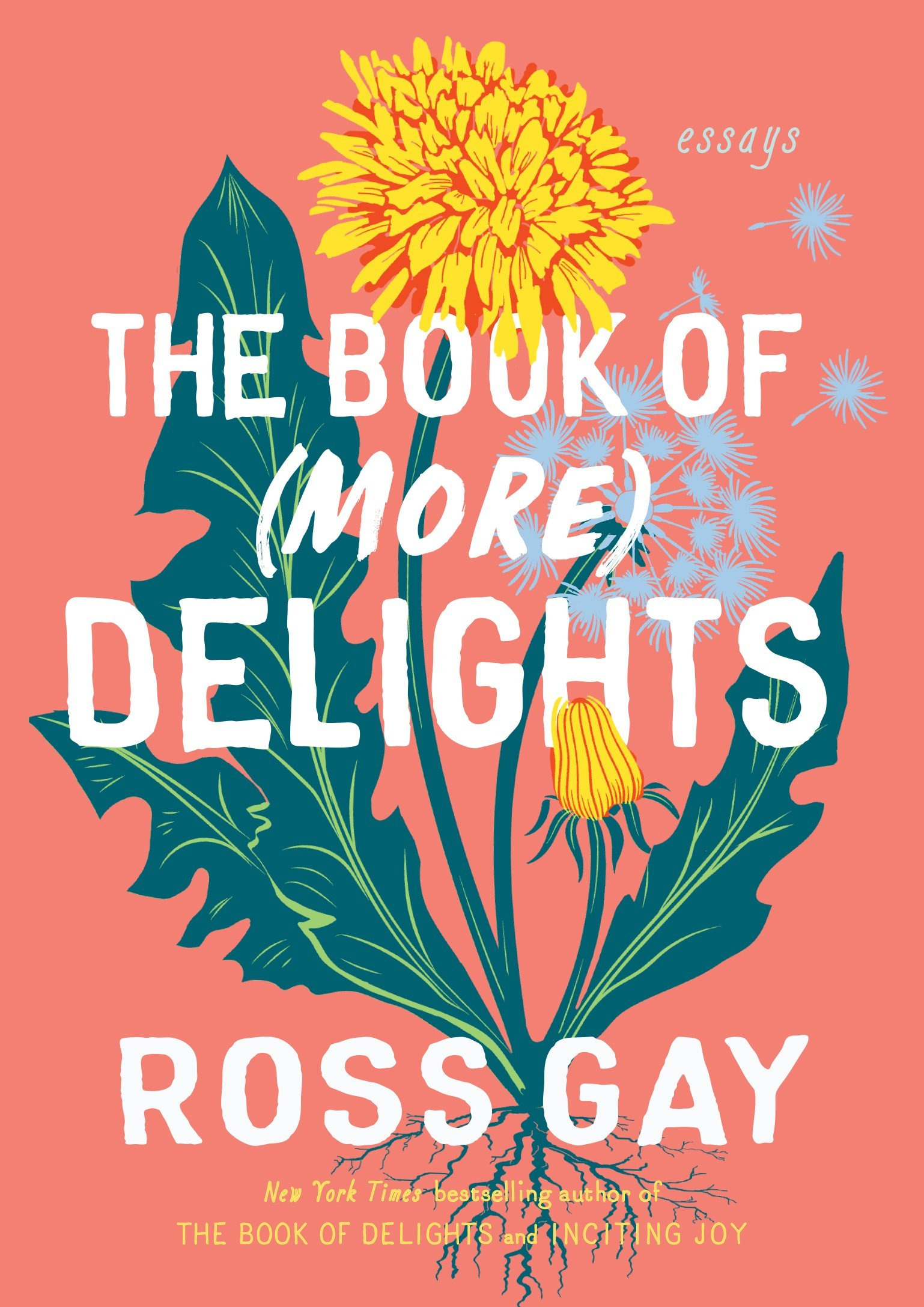
Thank God this isn’t another gratitude manual disguised as a book.
Ross Gay notices the tiny, ridiculous, easily missed pleasures that make an ordinary day feel less mechanical, then gives them room to breathe. A bird. A stranger. A plant. A conversation. Suddenly, the mundane has acquired a pulse.
There’s generosity all over these essays, but never the exhausting kind that tells you to wake up at 5 a.m. and become a better person before breakfast.
The trick isn’t becoming more grateful.
It’s becoming harder to blind yourself to what’s already there.
Conversations on Love — Natasha Lunn
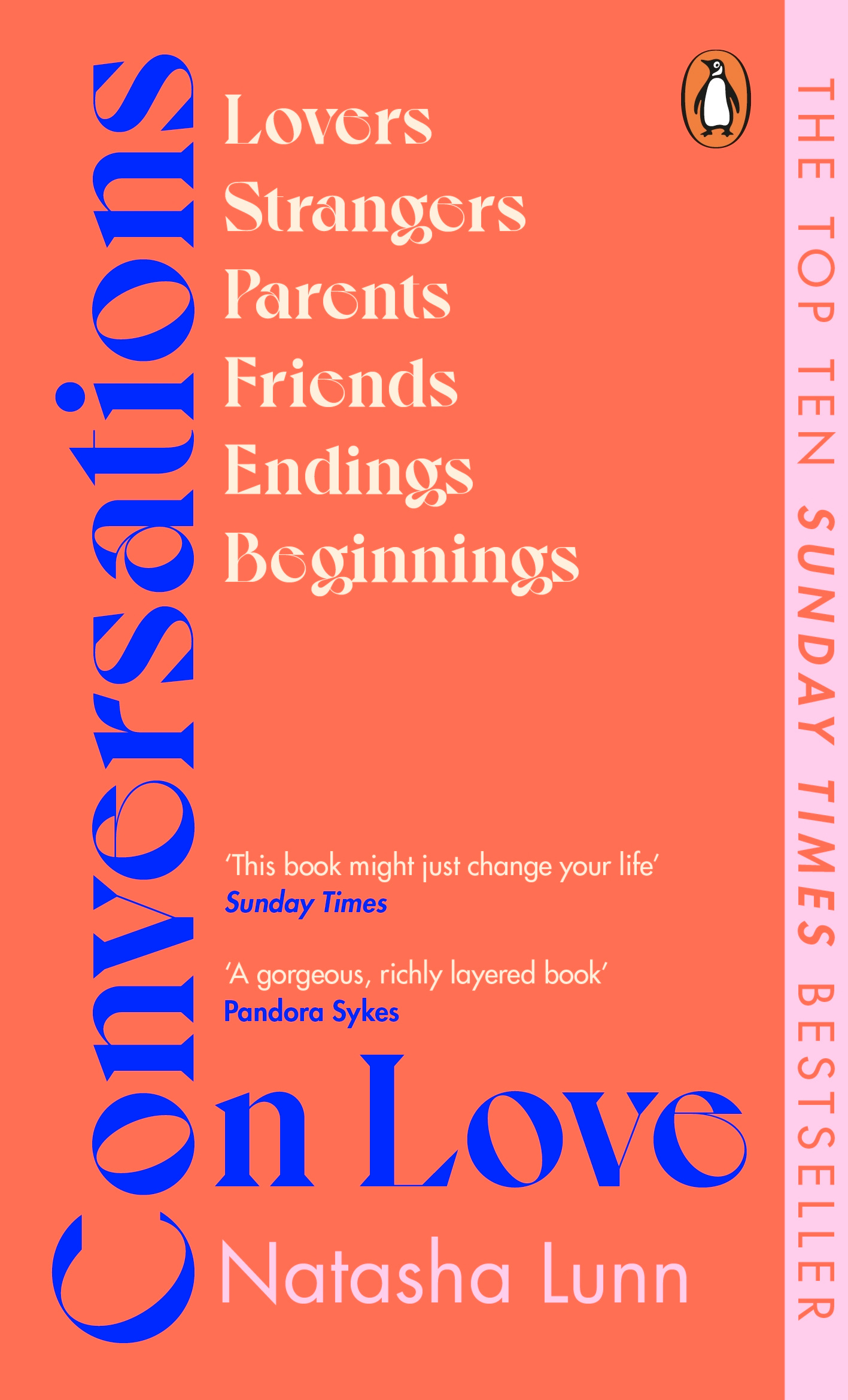
Love gets much more interesting when romance isn’t allowed to hog the entire conversation.
Natasha Lunn brings together reflections on romantic relationships, friendship, family, heartbreak and loneliness, making a fairly convincing case that love isn’t one neat emotion with one neat definition.
The appeal is in the messiness. There’s no universal formula, no five-step guide to becoming emotionally evolved by Tuesday. Just people trying to understand why we need one another, why we hurt one another and why we keep coming back anyway.
Everything I Know About Love — Dolly Alderton
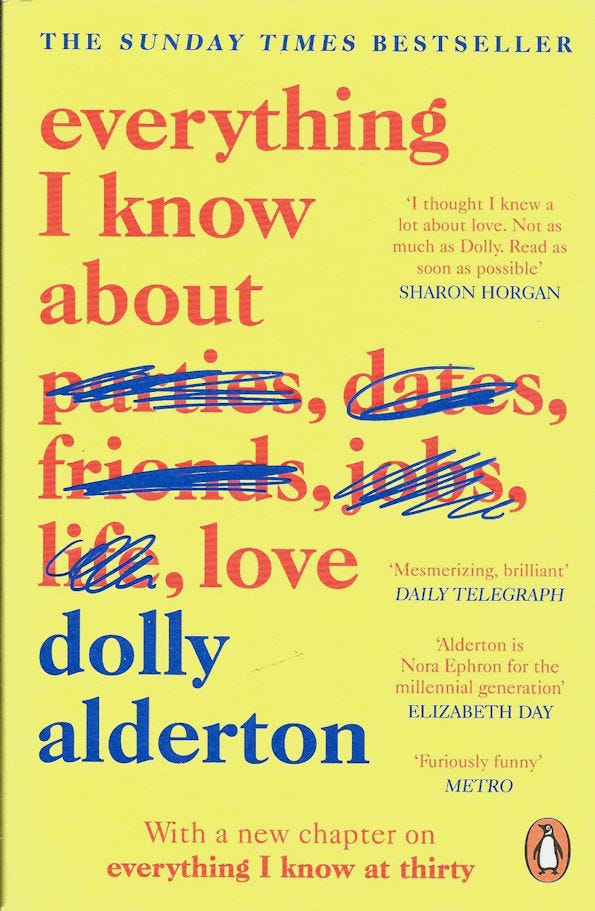
The internet has practically adopted this book as its daughter, and honestly, fair enough.
Underneath the bad dates, parties, questionable decisions and very-online discussions about being in your twenties is something considerably more tender: the realisation that romantic love isn’t necessarily the relationship that ends up defining your life.
Friendships get messy. Adulthood gets messier.
Sometimes your twenties are less finding yourself and more finding out exactly what you should never do again.
Blue Sisters — Coco Mellors
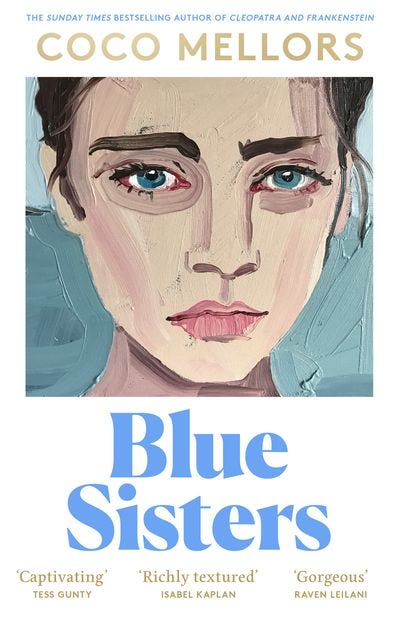
Nothing says family quite like loving someone deeply while simultaneously wanting to launch them into the sun.
Blue Sisters follows three sisters returning home after the death of their fourth sister, forcing years of distance, grief and unresolved family history into the same room.
The interesting thing about sisterhood is that it rarely behaves like the polished version we’re sold. It can be tender, competitive, protective, hilarious, cruel and loving — sometimes within the same conversation.
That feels considerably closer to real family.
What I Know Now — Ellyn Spragins
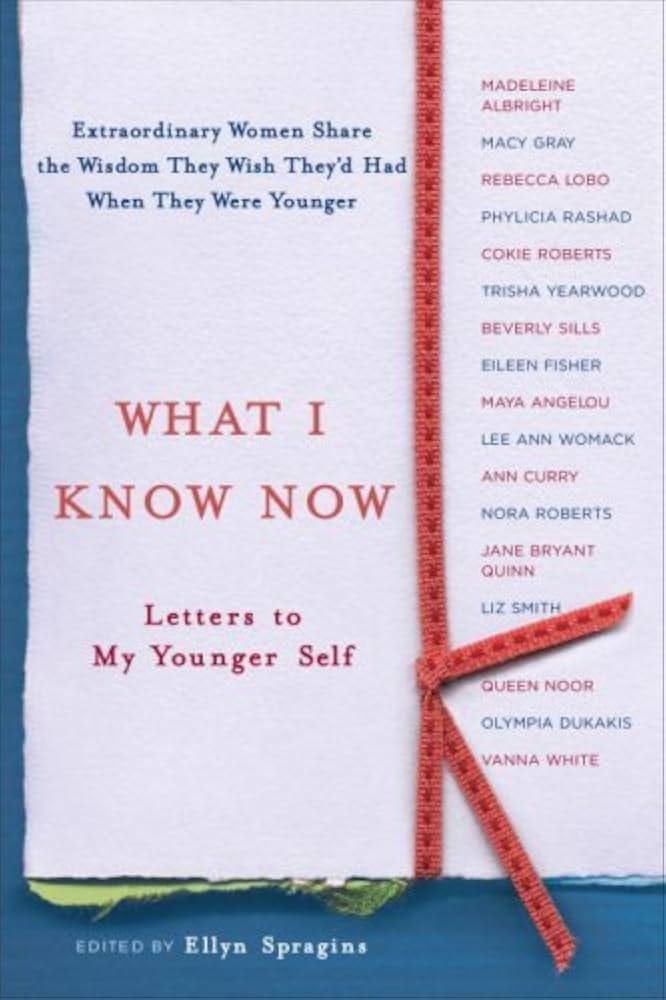
There’s something irresistible about asking people older than you what they wish they’d known before they learned everything the expensive way.
That’s the appeal here.
Hindsight is basically wisdom with the receipts attached. These kinds of books work best when they don’t pretend there’s a single correct way to live, but instead offer those little moments of recognition — oh, apparently everyone was confused too.
A useful reminder that adulthood doesn’t suddenly come with an instruction manual.
You just get better stories.
The Classics Bite Back
East of Eden — John Steinbeck
Family, inheritance, guilt, morality, love, freedom and the possibility of choosing who you become rather than simply accepting whatever you’ve been handed.
Steinbeck makes enormous questions feel strangely intimate. Good and evil aren’t presented as tidy little categories with convenient labels. People inherit things they didn’t ask for, hurt people they love, make terrible decisions and still somehow find the possibility of becoming someone else.
That idea has aged remarkably well.
War and Peace — Leo Tolstoy

A book with the audacity to contain war, politics, philosophy, romance, family drama, existential crises and approximately seventeen thousand people named something suspiciously similar.
What keeps it alive isn’t merely the scale. Tolstoy is fascinated by the relationship between individual lives and enormous historical forces. People are trying to fall in love, make terrible decisions, find meaning and survive dinner parties while history happens around them.
Which, honestly, feels rather familiar.
Anna Karenina — Leo Tolstoy
Tolstoy had an almost unfair ability to make people psychologically complete.
Nobody is simply good. Nobody is simply awful. Desire, jealousy, marriage, loneliness, family, social expectation and the particular misery of wanting two incompatible lives at once all collide here.
Having read it earlier in life and returned to it later, the strange thing is how little the book changes while the reader does.
Suddenly a character you once judged becomes someone you understand.
That’s what great literature does.
It waits.
The Death of Ivan Ilyich — Leo Tolstoy
Short enough to finish in an afternoon.
Unpleasant enough to ruin the afternoon.
Tolstoy takes a respectable life — career, status, possessions, social approval — and asks what happens when you suddenly realise you may have spent it according to somebody else’s definition of success.
It isn’t really a book about death.
It’s a book about discovering, far too late, whether you were actually living.
Crime and Punishment — Fyodor Dostoevsky
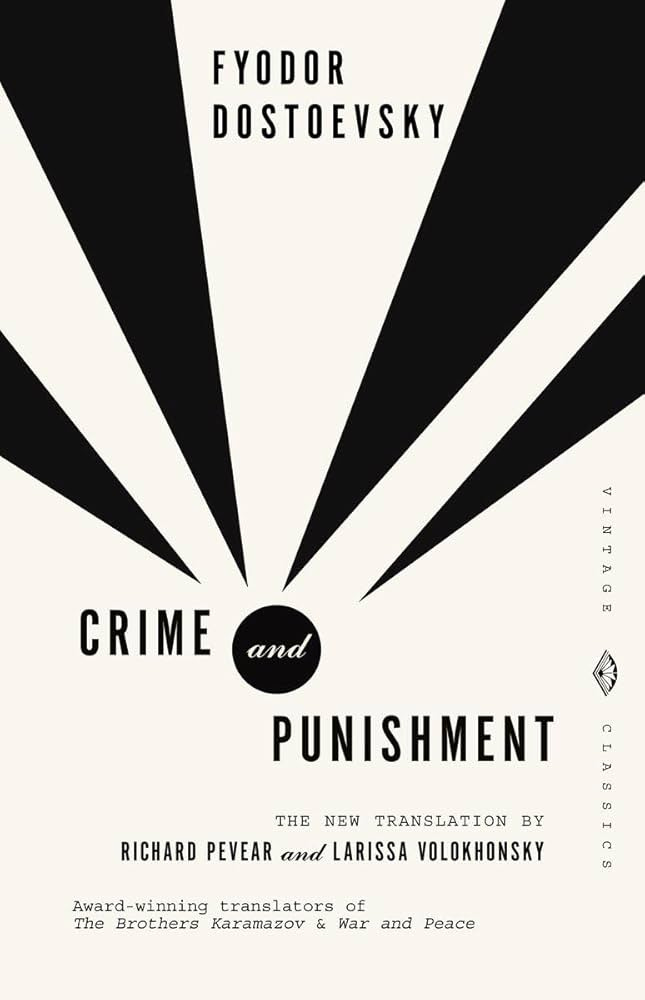
The crime is almost beside the point.
What matters is what happens inside a person’s mind when an idea becomes more important than their conscience — and how quickly intellectual certainty can turn into psychological hell.
Dostoevsky was frighteningly good at taking an abstract philosophical question and making it sweat.
I’ve returned to his work since school and college, and the psychological precision still feels borderline unfair.
The Idiot — Fyodor Dostoevsky
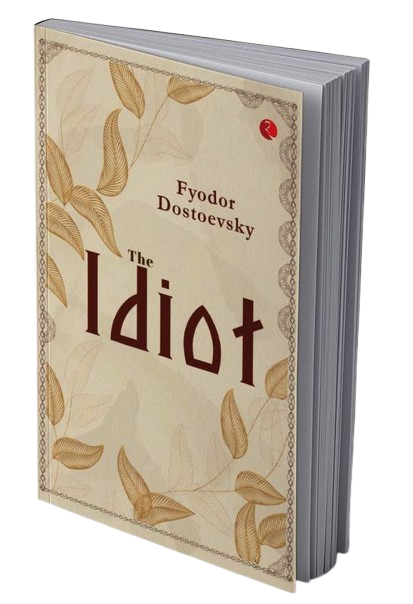
What happens when genuine innocence walks into a society that has absolutely no idea what to do with it?
Prince Myshkin’s goodness is repeatedly mistaken for foolishness while money, status, desire and social performance distort nearly every relationship around him.
Dostoevsky doesn’t give us a perfect human being and ask us to applaud.
He drops one into the room and watches everyone else malfunction.
White Nights — Fyodor Dostoevsky
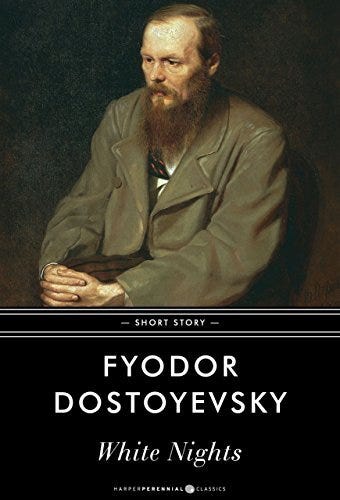
A small book with an absurdly large emotional afterlife.
Loneliness, fantasy, longing and the strange things we project onto people when we desperately want connection — all packed into a story that understands how quickly a brief encounter can become an entire universe in the mind of a lonely person.
There’s something painfully recognisable about that particular kind of young loneliness.
One conversation.
One person.
Suddenly: the plot.
The Unabridged Journals of Sylvia Plath — Sylvia Plath
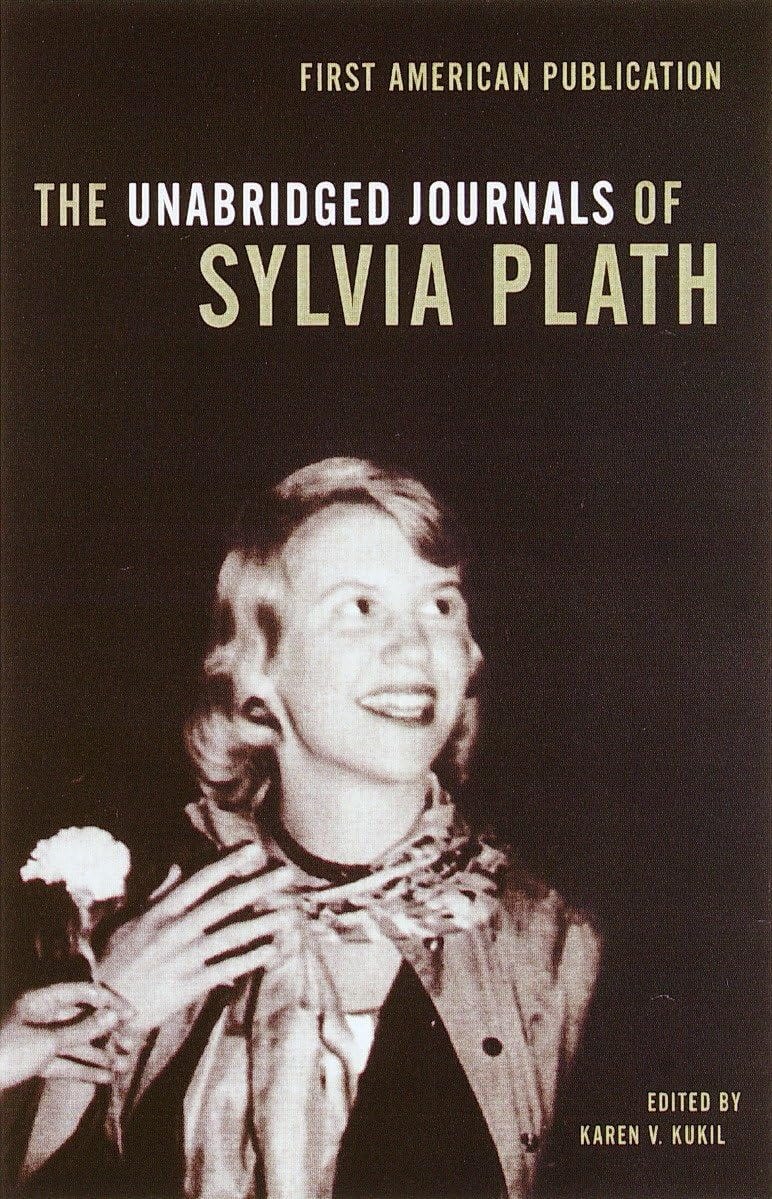
Plath is another writer I’ve kept returning to since school and college, but the journals offer something the finished poems can’t: the mess before the masterpiece.
Ambition, insecurity, desire, discipline, jealousy, humour, frustration and the constant negotiation between the person she was and the person she wanted to become — it’s all there.
Writers’ journals are fascinating for precisely this reason.
The polished work suddenly gets a pulse.
You see the person before the mythology.
We Have Always Lived in the Castle — Shirley Jackson
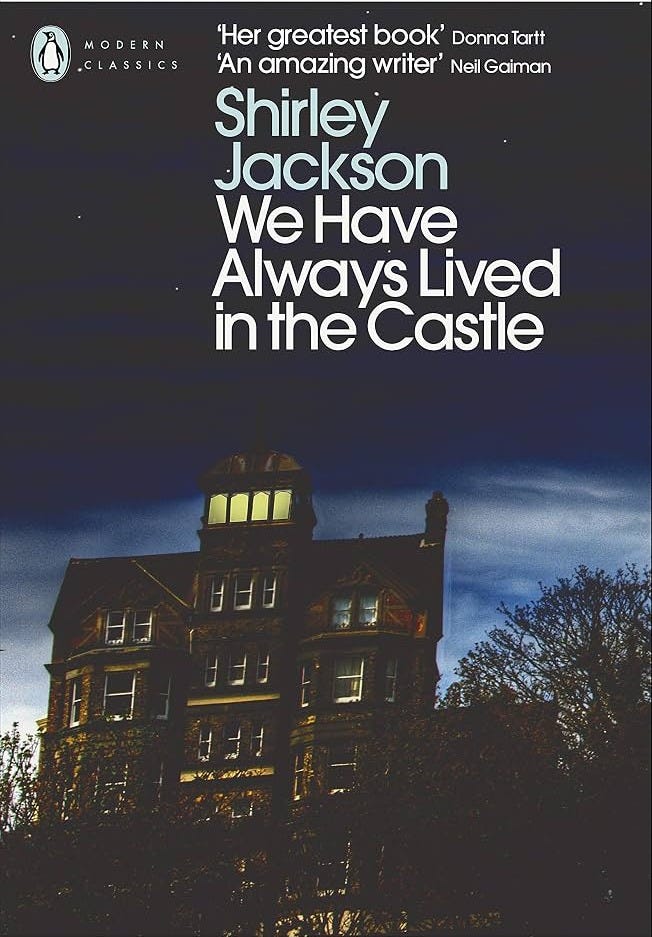
Don’t pick this up expecting a straightforward gothic mystery.
The pleasure is in discovering just how strange the little world Shirley Jackson has built actually is. Isolation, family, suspicion, gender and power all sit underneath an unsettling domestic surface, while Merricat and Constance seem perfectly content to maintain their own peculiar universe away from everyone else.
The rest of society can knock.
They may or may not answer.
Agua Viva — Clarice Lispector
This isn’t a book I’d try to explain too neatly.
Lispector is interested in sensation, consciousness, time, art and existence itself, and Agua Viva often feels like thought before thought has been properly organised. It’s strange, luminous and occasionally disorienting.
Not for anyone demanding a beginning, middle and end tied up with a respectable little bow.
For everyone else: get lost.
Making Stuff Without Losing It
The Creative Act — Rick Rubin
Not really a how-to, and thank God for that.
Rubin isn’t handing you another productivity regime with a prettier cover. He’s interested in attention, instinct, receptivity and the conditions that let an idea arrive before you start strangling it with expectations.
Whenever creativity starts feeling like a performance, this book is a useful slap on the wrist.
Bird by Bird — Anne Lamott
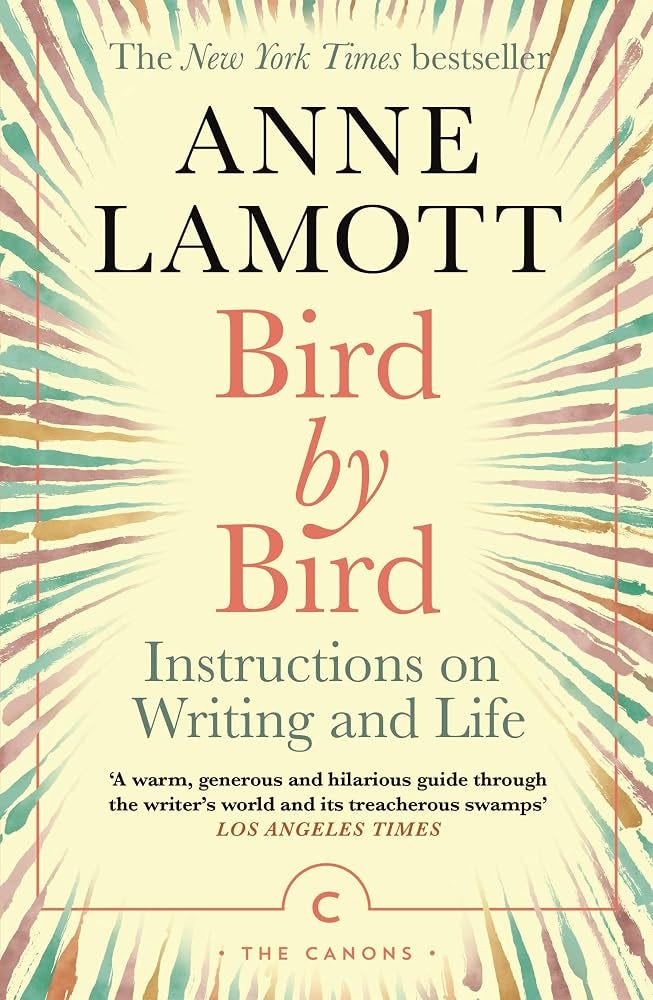
A writing book that actually understands writers are human beings and not malfunctioning content machines.
Lamott writes about fear, procrastination, terrible first drafts, jealousy, uncertainty and the ridiculous business of trying to make something out of nothing.
The title comes from a story about her brother becoming overwhelmed by a school project on birds. Their father tells him to take it “bird by bird.”
Painfully simple.
Annoyingly effective.
Steal Like an Artist — Austin Kleon
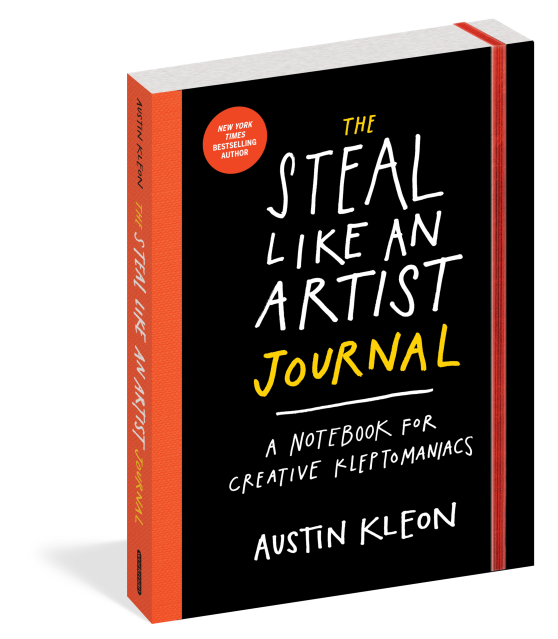
Short, visual and almost offensively easy to finish, but surprisingly difficult to dismiss.
Kleon makes a convincing case for treating creativity as a conversation with everything you’ve encountered rather than waiting around for an entirely original idea to descend from the heavens.
Collect influences. Follow rabbit holes. Make connections. Borrow generously. Make the thing yours.
Essentially, a tiny book-long argument against being precious about creativity.
Books I Keep Ruining
Four Thousand Weeks — Oliver Burkeman
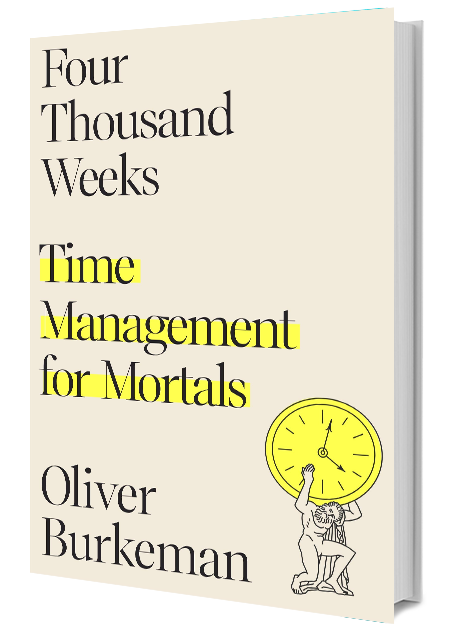
Possibly the best book on productivity I’ve ever read, largely because it has the audacity to question whether becoming more productive was ever the point.
There will never be enough time to do everything. That’s the premise we spend most of adulthood desperately trying not to acknowledge. Eventually, choosing what matters means accepting what won’t get done.
Annoying?
Yes.
Liberating?
Also yes.
This book made productivity feel less like squeezing more things into a calendar and more like deciding what deserves a place in the first place.
Letters to a Young Poet — Rainer Maria Rilke
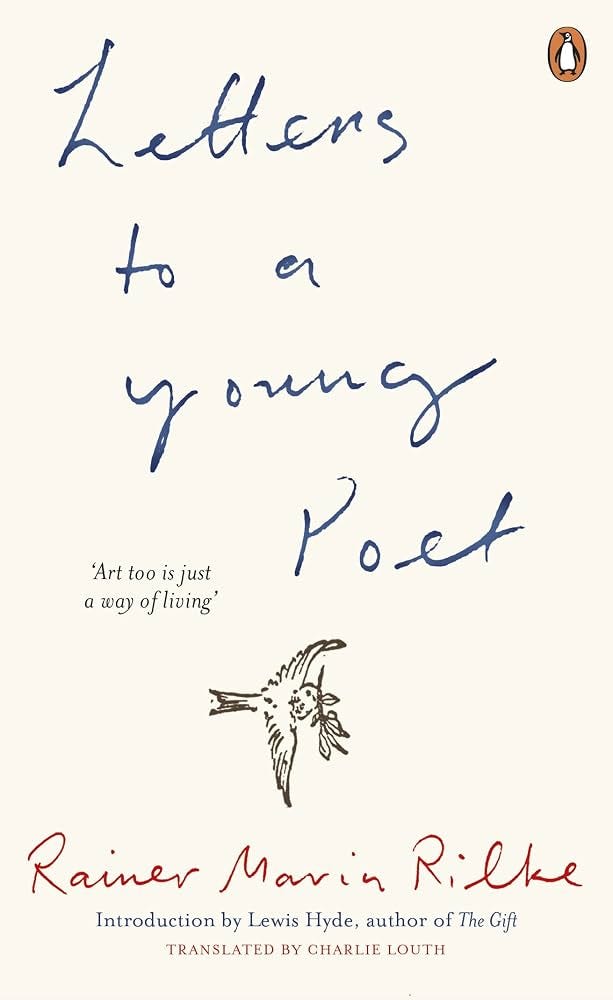
A book for the periods of life when every question feels urgent and Rilke calmly suggests that perhaps you don’t need an answer yet.
Solitude, uncertainty, love, work and becoming a person are treated not as problems to solve but experiences to inhabit.
Some questions deserve a little more time.
Man’s Search for Meaning — Viktor E. Frankl
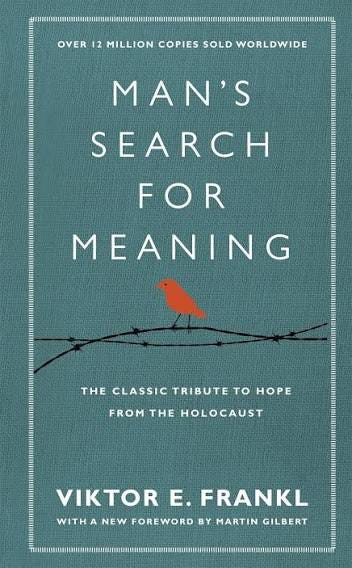
A difficult book, but an important one.
Frankl asks how a person finds meaning when circumstances have stripped away almost everything that once made life recognizable. The central question remains difficult to shake: what remains within our control when so much of life isn’t?
It’s also one of those books that changes depending on who is holding it.
Same pages.
Different reader.
Meditations — Marcus Aurelius
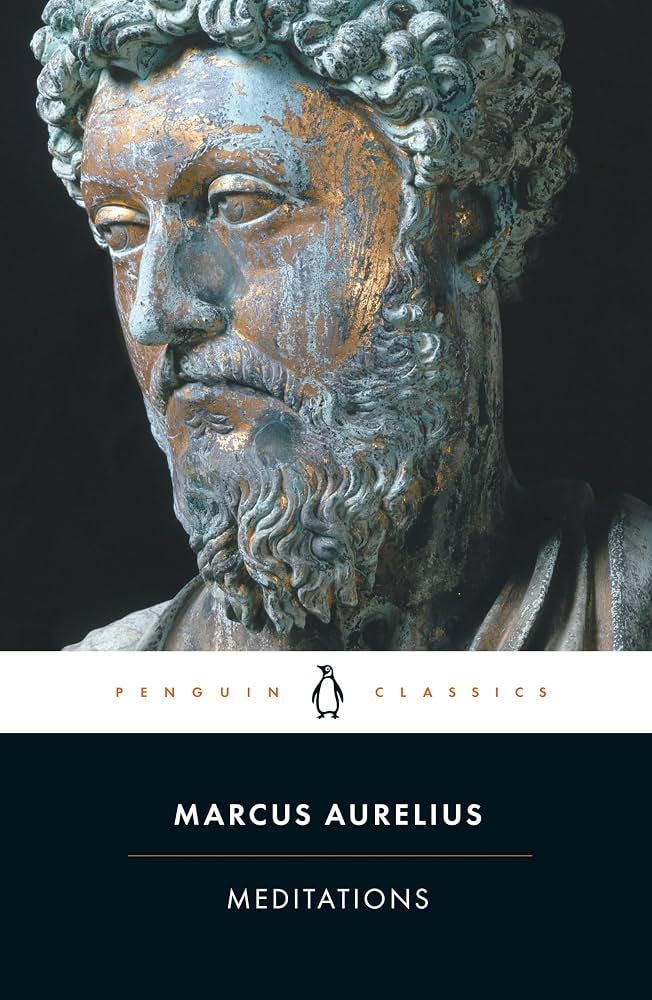
I don’t agree with everything in this book, and I don’t think ancient philosophy should be treated like a personality test where you tick “Stoic” and move on with your afternoon.
Still, the practice of examining your reactions, desires and assumptions remains useful. Some passages feel strangely modern. Others make me want to argue with a Roman emperor.
Both are productive.
That’s the shelf!
It’s never complete. Neither am I. The shelf will keep changing as I do — new obsessions will find their way in, old favorites will acquire fresh underlines, and a few books will probably remain permanently unfinished because apparently buying them was easier than reading them. That’s half the fun. A bookshelf should look a little lived-in, a little argumentative, and occasionally guilty.
Maybe you’ll find one here worth taking home.
